By Micah Duffy
February 20, 2026
In recent years, homeowners have increasingly considered upgrading to a tankless water heater as a viable alternative to traditional water heating systems. By understanding the mechanics and benefits of these systems, homeowners can make informed decisions about their energy consumption. The shift towards eco-friendly solutions has prompted many to evaluate the long-term benefits of tankless systems over conventional tank heaters.
The Basics of Tankless Water Heating Systems
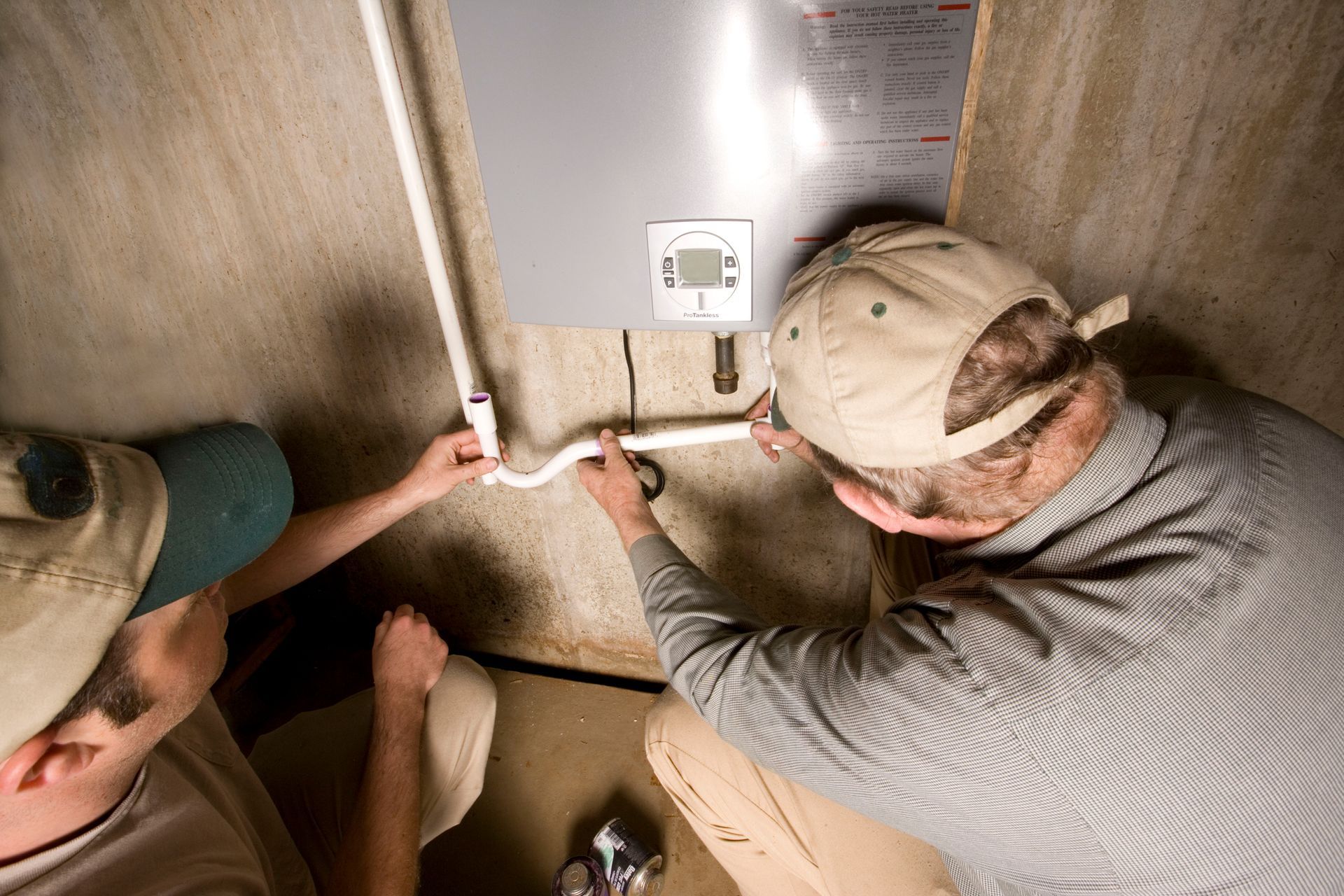
Tankless water heaters, also known as demand-type or instantaneous water heaters, heat water only as it is needed. Unlike traditional systems that maintain a constant supply of hot water stored in a tank, tankless models are activated only when there is a demand for hot water. This on-demand approach eliminates the energy losses associated with keeping a large volume of water hot at all times. As water flows through the unit, either an electric element or a gas burner rapidly heats the water, delivering a constant supply of hot water as long as there is demand. These systems are typically more compact and can be wall-mounted, saving space in homes.
There are primarily two types of tankless water heaters: electric and gas. Electric tankless heaters are generally smaller and can be installed where space is limited, making them ideal for point-of-use installations. Tankless gas systems, on the other hand, are better suited for whole-house applications, as they can deliver higher flow rates. When choosing between the two, factors like installation cost, fuel availability, and energy costs should be considered. While gas heaters may have higher upfront costs, they tend to offer longer-term savings due to their efficiency.
Traditional water heaters store hot water in a tank, continuously using energy to maintain the water temperature. This results in standby heat loss, where energy is consumed even when there is no demand for hot water. In comparison, a tankless water heater eliminates this inefficiency by only heating water as it is needed. According to the U.S. Department of Energy, for households consuming roughly 86 gallons of hot water per day, tankless gas heaters offer an energy efficiency boost of 8% to 14% compared to traditional models. This efficiency leads to energy savings and reduced utility bills, making tankless options appealing for conscious consumers.
The Benefits of Energy Efficiency
One of the significant advantages of a tankless water heater is the reduction of standby heat loss, which is common in traditional storage tank systems. Standby heat loss occurs when heat escapes from the tank, requiring energy to maintain the water temperature consistently. In contrast, tankless systems heat water directly and only when needed, meaning there's no stored water to lose heat. This efficiency not only reduces energy bills but also limits unnecessary energy consumption, contributing to a lower carbon footprint. Consequently, homeowners find that switching to a tankless system often results in noticeable cost reductions on utility statements.
The on-demand nature of tankless water heaters means that energy is only consumed when required, making these systems inherently more efficient. This operation reduces the waste associated with keeping a full tank of water hot, which is never entirely utilized before heat loss occurs. By heating water only as it flows through the unit, tankless heaters optimize energy use and reduce overall consumption. This approach is especially beneficial in homes with varying hot water needs, as it adapts to demand without unnecessary energy expenditure. Over time, this efficiency contributes to significant reductions in household energy usage.
Reducing energy use has direct environmental benefits, as it lowers the demand on power plants and reduces greenhouse gas emissions. A tankless water heater contributes to ecological conservation by using energy minimally and efficiently. As a result, adopting this technology helps decrease the household's overall carbon footprint. Moreover, efficient energy use often reduces the reliance on non-renewable energy sources, supporting broader sustainability goals. Consumers increasingly seek energy-efficient solutions, and tankless systems offer a straightforward method to achieve better environmental outcomes.
The Long-Term Cost Savings
Homeowners who transition to tankless water heating systems frequently observe noticeable changes in their energy bills. Detailed analyses show that monthly utility costs are often lower, attributed to the efficiency of heating water only when required. The absence of standby heat loss delivers additional savings, making energy utilization more effective. By comparing past energy bills with current bills post-installation, the cost-effectiveness of tankless systems becomes evident. Over the system's lifetime, these savings can accumulate to offset initial purchase and installation expenses, leading to overall financial benefits.
A tankless water heater typically requires less maintenance than traditional systems, which further contributes to cost savings. With fewer components that are subject to wear and tear, maintenance costs tend to be lower, and the lifespan of the heaters is longer. Many tankless water heaters come with longer warranties compared to traditional tank systems, underscoring their durability. Regular descaling can enhance their efficiency and longevity by allowing them to continue operating efficiently over time. The reduced frequency of repairs and their longer operational life result in additional financial savings for homeowners.
To fully understand the financial implications of adopting a tankless system, it's essential to calculate the return on investment (ROI). This involves evaluating initial costs, energy savings, maintenance expenses, and potential incentives and rebates. By determining the payback period, homeowners can assess whether the long-term savings justify the initial expense. The cumulative effect of lower energy bills, combined with the system's extended lifespan, often results in a favorable ROI for tankless heaters. This financial calculation reassures consumers about the cost-effectiveness of such a transition.
The Technological Advancements
Modern tankless water heaters now incorporate innovative smart controls and monitoring systems to enhance energy efficiency and user convenience. These advancements allow users to program heating schedules and adjust settings remotely via smartphones or smart home devices. Such control not only optimizes energy use by matching heating patterns with user habits but also provides real-time data on energy consumption. This transparency helps homeowners identify areas for improvement and customize their water use efficiently. As technology evolves, smart features in tankless systems will likely continue to improve user experience and energy savings.
Next-generation tankless water heaters can integrate seamlessly with renewable energy sources like solar panels, providing an enhanced and sustainable heating solution. By using solar energy to power an electric tankless system, households can further reduce their reliance on conventional energy sources. This integration facilitates achieving near-zero energy consumption for water heating, thereby lowering energy bills and environmental impact. Such technological synergies make a tankless water heater attractive for environmentally-conscious consumers. The potential to incorporate renewable energy sources highlights the adaptability and future-forward promise of tankless systems.
Design innovations continue to drive performance improvements in tankless water heaters. Manufacturers are focusing on enhancing both functionality and aesthetics to appeal to a wider audience. These advancements have resulted in more compact, versatile, and reliable units capable of meeting varied consumer demands. Upgraded heat exchangers, corrosion-resistant materials, and improved combustion technology contribute to greater efficiency and durability. By continually refining designs, the industry is addressing consumer concerns and pushing the boundaries of how effective and efficient water heating can be.
Ultimately, transitioning to a tankless water heater represents a strategic investment that balances immediate performance with long-term fiscal responsibility. By eliminating standby heat loss and integrating with modern smart home technology, these systems offer a sustainable path toward reducing both utility costs and a household's carbon footprint. As design innovations continue to enhance durability and efficiency, the shift to on-demand heating stands as a cornerstone of the modern, energy-conscious home. Contact Bauer Heating and Cooling today to schedule your same-day free estimate and start saving with a high-efficiency tankless water heater tailored to your home’s needs.