By Micah Duffy
January 19, 2026
A professional furnace maintenance visit is more than just a routine check—it’s a comprehensive process designed to ensure your heating system operates safely, efficiently, and reliably. Regular maintenance not only keeps your home warm but also minimizes unexpected breakdowns and costly furnace repair. According to This Old House, most furnaces last between 20 and 30 years, making preventative care essential for extending system longevity and preserving energy efficiency. By understanding the stages of a professional visit, homeowners can make informed decisions and maintain optimal performance in their heating system.
Conduct Initial Inspection and Assessment
The first step of a maintenance visit is a thorough inspection and assessment of the furnace system. A trained technician begins with a visual inspection, examining the furnace for signs of wear, corrosion, cracks, or leaks. Identifying these early issues helps prevent larger problems, ensuring the system functions efficiently and safely over its lifespan. Attention to detail at this stage can preempt costly furnace repair and avoid unnecessary strain on the system.
Next, the technician evaluates the external ductwork, which distributes warm air throughout the home. Properly sealed, damage-free ducts prevent energy loss, uneven heating, and compromised indoor air quality. The professional checks for secure connections, insulation gaps, and potential blockages, ensuring that air flows efficiently to every room. Healthy ductwork is critical for maintaining comfort and reducing energy costs while supporting the overall longevity of the furnace.
The thermostat is also tested for accuracy and responsiveness. Since it controls when the furnace turns on and off, any malfunction can lead to inefficiencies, increased energy use, or even system failure. The technician ensures the thermostat communicates correctly with the furnace and may recommend recalibration or an upgrade to a modern, more efficient model if necessary.
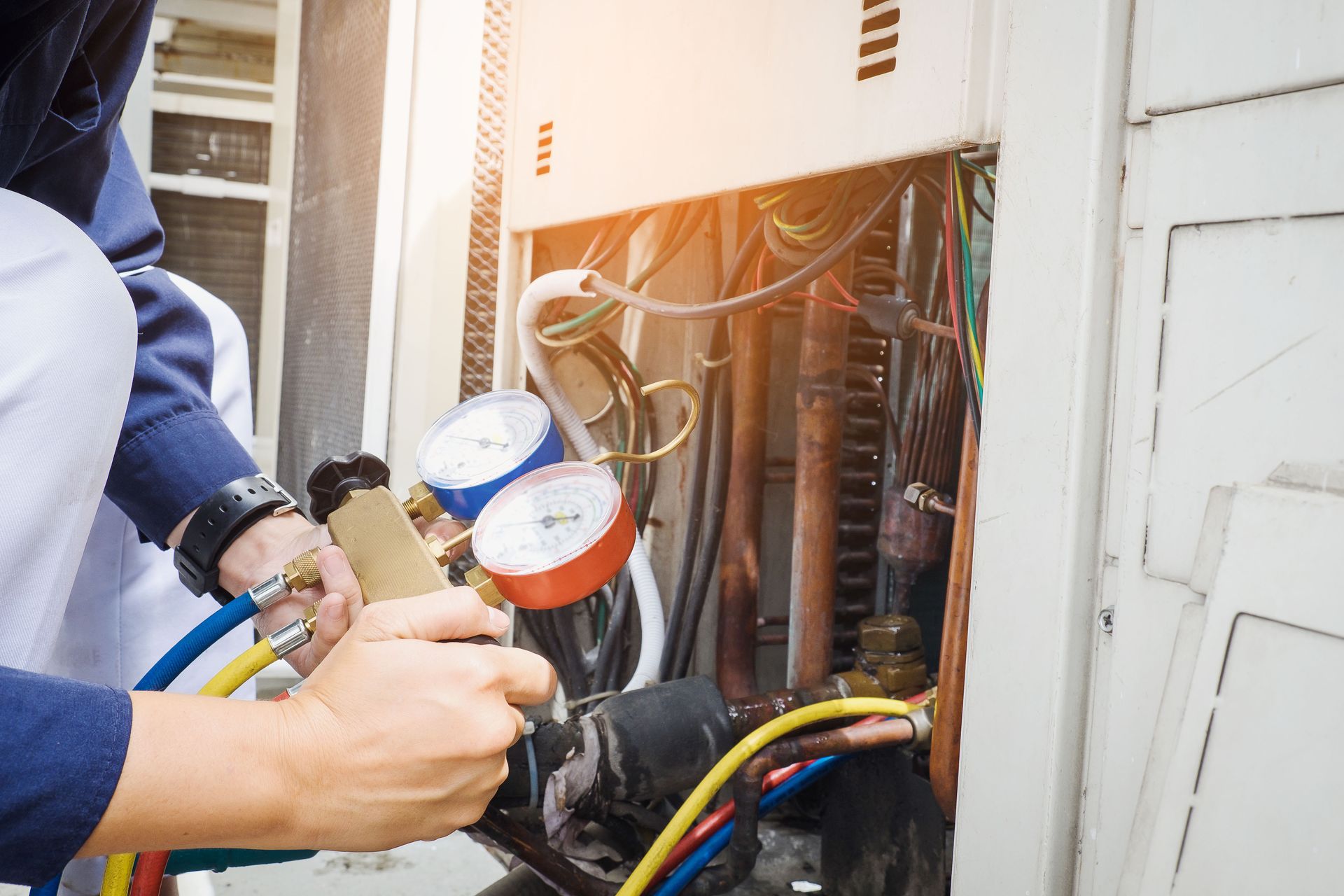
Finally, gas and carbon monoxide checks are conducted, especially for gas-powered furnaces. Technicians use specialized tools to detect leaks, which could otherwise pose serious safety hazards. Early detection and the addition of carbon monoxide detectors provide an extra layer of protection, keeping your household safe. The visit concludes with detailed documentation of the furnace’s condition, creating a reference for future maintenance and potential warranty or insurance claims.
Clean and Lubricate Furnace Components
Cleaning is an essential part of maintenance, starting with both the furnace’s interior and exterior. Dust and debris buildup can hinder airflow, reduce efficiency, and damage sensitive parts. Technicians meticulously clean all accessible areas, including burners, the blower, and surrounding surfaces, ensuring that no debris interferes with system performance. Clean components contribute to optimal airflow, improved energy efficiency, and longer system life.
Internal components are then vacuumed and cleared of dust to prevent overheating or other malfunctions. Dirt on heat exchangers, blower motors, and other mechanical parts can reduce system efficiency and create wear that may lead to furnace repair needs. By keeping these components clean, the furnace operates reliably, even during peak heating demands.
Next, moving parts are lubricated to minimize friction and wear. Components like blower motors, fan bearings, and other mechanical elements require lubrication to operate smoothly and quietly. Proper lubrication reduces stress on the system, extending the furnace’s service life and preventing premature breakdowns.
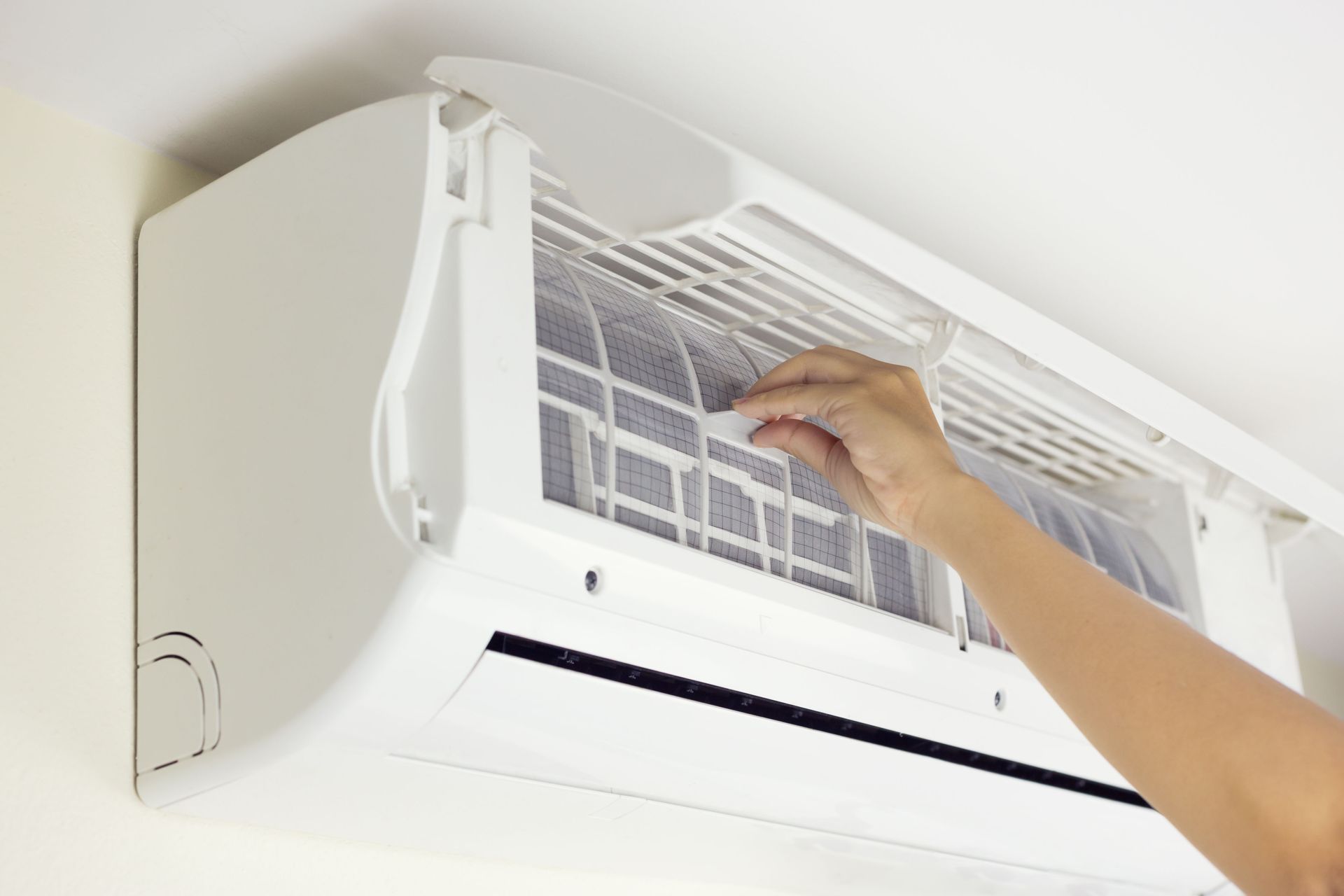
Proper ventilation is also ensured, as blocked vents or flues can compromise both performance and safety. Adequate airflow supports the correct expulsion of combustion gases and balanced air supply. Lastly, air filters are either replaced or cleaned. Clean filters maintain consistent airflow, reduce energy consumption, and improve indoor air quality. Neglecting this simple task can increase operational costs and strain the system, leading to potential furnace repair.
Inspect Electrical Components
Electrical inspection is a crucial step in maintaining safety and performance. Technicians begin by checking wiring and connections for signs of wear or looseness, which could result in short circuits or system failures. Properly maintained electrical components ensure efficient furnace operation and prevent fire hazards, especially in older systems.
Safety controls, such as limit switches and pressure sensors, are tested next. These features prevent overheating, gas leaks, or system malfunctions. Ensuring these controls function correctly keeps both the system and the home safe while providing peace of mind to homeowners.
Blower components are then evaluated, including the motor, belts, and fan, ensuring they operate efficiently and quietly. Any wear or damage may require repairs or adjustments to prevent performance issues. Correct voltage and current levels are verified to protect electrical components and maintain efficient operation. Finally, the technician identifies potential electrical hazards, such as exposed wires or deteriorating cables, addressing them promptly to reduce the risk of accidents and avoid the need for emergency furnace repair.
Technicians may also recommend preventive measures to protect electrical components, such as surge protection or routine tightening of connections. These small steps help extend the life of the furnace, reduce unexpected breakdowns, and lower the likelihood of costly furnace repair in the future. By addressing potential issues proactively, homeowners can enjoy reliable, uninterrupted heating throughout the season.
Test System Efficiency and Performance
Testing the furnace’s efficiency and performance ensures optimal heating and energy usage. Fuel supply and combustion quality are checked first to confirm a steady supply and clean combustion. Proper combustion maximizes heat output, minimizes waste, and reduces harmful emissions. Maintaining efficient fuel use helps homeowners lower utility costs and supports environmentally responsible heating.
Airflow and distribution are examined to ensure warm air reaches all areas evenly. The technician inspects ducts, vents, and fan settings to identify blockages or uneven distribution. Proper airflow enhances comfort, reduces energy consumption, and prevents unnecessary wear on the system.
System output and temperature regulation are also evaluated. The furnace should maintain consistent indoor temperatures without fluctuation or delays in heating. Inefficient systems may show uneven heating or increased energy use, signaling the need for adjustments or furnace repair.
Finally, inefficiencies and calibration needs are addressed. Technicians inspect burners, thermostats, and other components, making precise adjustments to improve performance and energy efficiency. A performance report is then provided to the homeowner, summarizing observations, repairs, and recommendations. This document helps homeowners make informed decisions and plan for future furnace repair or maintenance needs.
Address and Repair Identified Issues
When issues are discovered, faulty components are identified and diagnosed. Prompt attention prevents further damage, reducing the likelihood of costly furnace repair. Technicians use their expertise to offer targeted solutions, whether minor adjustments, immediate repairs, or recommendations for replacement.
Repair options are discussed with homeowners to align with budget and comfort needs. Transparent communication ensures understanding of severity and urgency, allowing homeowners to prioritize necessary interventions.
On-site repairs are performed when possible, restoring furnace function efficiently. Having the right tools and parts minimizes downtime and enhances system reliability. For complex or major issues, follow-up visits may be scheduled to ensure comprehensive resolution. When furnaces reach the end of their lifespan or exhibit recurrent problems, replacement options are discussed to provide energy-efficient, reliable solutions.
Regular maintenance after repairs helps prevent the same issues from recurring, extending the life of the furnace and maintaining consistent performance. Technicians often provide guidance on simple homeowner checks, such as filter replacement and thermostat settings, empowering homeowners to keep their systems running smoothly between professional visits.
By maintaining this proactive approach, homeowners can prevent unnecessary furnace repair and ensure their heating system remains safe, efficient, and reliable. For those ready to schedule a maintenance visit or learn more about keeping their system in top condition, we at Bauer Heating and Cooling are here to help every step of the way.