By Micah Duffy
March 19, 2026
Tankless water heaters are growing in popularity as an energy-efficient alternative to traditional tank water heaters. According to a Minnesota field study by the Center for Energy and Environment, tankless water heaters provide energy savings of 50 to 85 therms per year compared to conventional storage water heaters, which is just one of the advantages you'll enjoy when you invest in one. However, there are several factors to consider before you bring one into your home. Let's explore their functionality, benefits, and potential drawbacks to help you decide if tankless water heaters are the right investment for your home.
How Tankless Water Heaters Work
Instant Hot Water Production
A key feature of tankless water heaters is their ability to provide hot water on demand. Unlike traditional heaters that store and continuously heat a large volume of water, tankless models activate only when hot water is needed. This on-demand approach not only reduces energy consumption but also improves efficiency, as there is no heat loss from stored water. As water flows through the system, it is heated instantly, ensuring a constant supply of hot water anytime a faucet is turned on. This demand-driven mechanism is one of the core reasons why many people are opting for tankless models today.
Flow Rate and Capacity
The performance of tankless water heaters is often measured in terms of gallons per minute (GPM), indicating their capacity to deliver hot water. Understanding this specification is crucial for determining the right size of the heater for your home. A higher GPM can support multiple simultaneous uses, such as running a shower and a dishwasher at once. However, it is important to match the flow rate to your household's needs, as an undersized system may not provide sufficient hot water during peak usage times. When assessing the GPM, consider how many fixtures you have and how often they are used concurrently.
Component Overview
The core components of a tankless water heater include a heat exchanger, a gas or electric heating element, and a flow sensor. The heat exchanger plays a pivotal role in transferring heat to the water, while the flow sensor activates the heating element upon detecting water passage. These components work in harmony to ensure rapid heating, providing hot water as it is needed without any delay. Other integral parts include the water filter and the vent system for gas models, which ensure safe and efficient operation. Regular maintenance of these components is essential to keep the system functioning optimally.
Electric vs. Gas Models
Tankless water heaters come in two main varieties: electric and gas. Electric models tend to be easier to install and require less maintenance, making them a popular choice for homeowners. Gas models, on the other hand, often offer a higher flow rate and are more suitable for larger households. However, they generally involve a more complex installation process and need venting for exhaust gases. In terms of efficiency, both types have their advantages, but the decision often hinges on the availability of gas lines and the cost of electricity in your area.
Advantages of Tankless Water Heaters
Energy Efficiency
Tankless water heaters are championed for their energy efficiency, a significant improvement over traditional storage heaters. By heating water only as needed, these systems eliminate the standby energy losses common in conventional tanks. This efficiency can lead to substantial energy savings, reducing utility bills over time. Such savings not only foster financial benefits but also contribute to a reduced environmental footprint.
Space-Saving Design
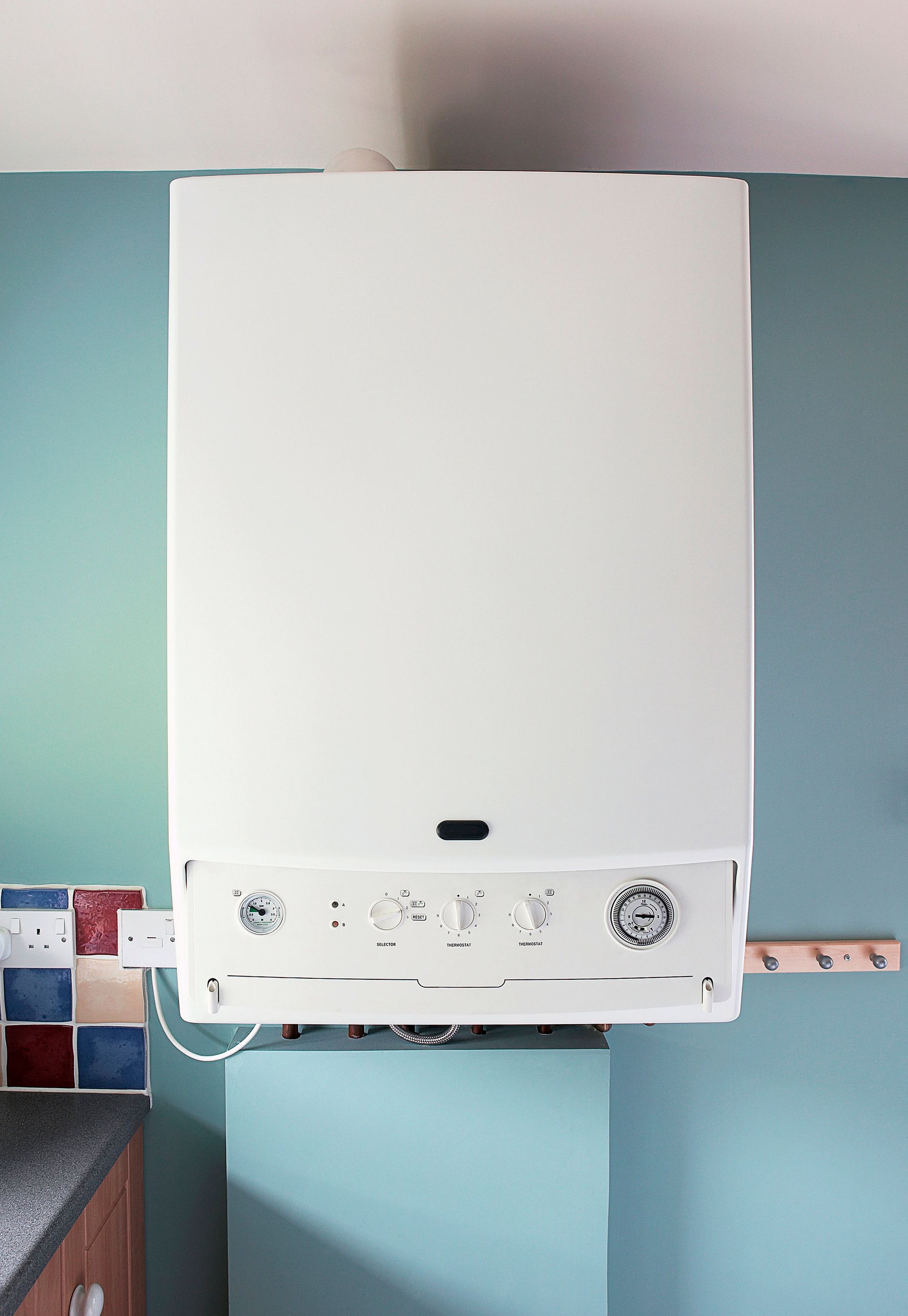
The compact size of tankless water heaters is another appealing advantage for homeowners. Unlike bulky storage heaters, tankless models are designed to be sleek and unobtrusive, allowing them to fit in small spaces. This space-efficient design is especially beneficial in homes with limited utility room, offering greater flexibility in installation locations. Often mounted on a wall, these units free up valuable floor space for other uses. Their minimalist footprint makes them an attractive option for modern homes and apartments where maximizing space is essential.
Longer Lifespan
Another notable benefit of tankless water heaters is their longevity. With proper maintenance, these systems can last up to 20 years or more, outlasting traditional heaters by nearly a decade. The extended lifespan can be attributed to the absence of a storage tank, which reduces the risk of corrosion and sediment buildup. This durability translates to lower replacement frequency and long-term cost savings. Investing in a tankless system is often seen as a wise choice for those looking to maximize the value and longevity of their home appliances.
Continuous Hot Water Supply
One of the most compelling reasons to consider a tankless water heater is its ability to deliver a continuous supply of hot water. Unlike traditional models that can run out of hot water after the tank is depleted, tankless systems heat water as it flows through. This means you can enjoy long showers or run multiple appliances without worrying about running out of hot water. However, the capacity is still limited by the unit's GPM rating, so it's important to choose a model that fits your household's demand. The continuous flow of hot water is a major convenience, especially in larger households with high hot water usage.
Disadvantages of Tankless Water Heaters
Higher Initial Cost
Despite their advantages, tankless water heaters are not without drawbacks, the most significant being the higher initial cost. Purchasing and installing these systems often requires a larger upfront investment compared to traditional storage heaters. This can be a barrier for some homeowners, especially when considering the costs associated with upgrading existing utilities for compatibility. However, it's important to weigh this initial expense against long-term energy savings and lifespan benefits. While the upfront cost may be higher, the potential for reduced energy bills over time can offset this expenditure, making it a worthwhile investment for many.
Inconsistent Temperatures
Another challenge with tankless water heaters is the potential for inconsistent water temperatures. If the unit is undersized or if multiple fixtures are used simultaneously, the heater may struggle to maintain a steady temperature. This can result in fluctuating hot water delivery, which can be inconvenient during showers or other critical uses. Selecting a properly sized unit is crucial to minimizing these temperature inconsistencies. Additionally, advancements in technology have led to units with sophisticated controls and sensors that better adjust to varying demands, helping to ensure a more stable supply.
Installation Complexity
The installation of a tankless water heater is typically more complex than that of a traditional water heater. Depending on the type and model, installation may require upgrades to your home's water lines, electrical systems, or ventilation ducts. For gas models, proper venting is crucial for safety and compliance with local building codes. This complexity often necessitates professional installation, which can add to the overall cost. Carefully evaluating these requirements before purchase is essential to avoid unexpected challenges and additional costs during the installation process.
Maintenance Requirements
Regular maintenance is essential to keep tankless water heaters operating efficiently, which can be a drawback for some homeowners. These systems require periodic cleaning to remove scale and sediment buildup that can hinder performance. Neglecting maintenance can lead to reduced efficiency and shorter lifespan, as well as potential repair costs. It's important for homeowners to follow the manufacturer's recommendations for maintenance schedules and procedures. For those who are not comfortable performing maintenance tasks, professional servicing may be necessary, incurring additional expenses over the life of the unit.
Tankless water heaters offer a range of benefits, from energy efficiency and space-saving designs to a longer lifespan and continuous hot water supply. However, they also come with considerations like higher upfront costs, potential temperature fluctuations, and the need for professional installation and regular maintenance. By carefully weighing these pros and cons and selecting a unit that matches your household's hot water demand, you can make an informed decision that enhances both comfort and efficiency in your home. Investing in a tankless water heater with Bauer Heating and Cooling can be a smart move if you're seeking modern, sustainable, and reliable water heating solutions. Reach out to us today to get started with a free same-day estimate.