Choosing the right plumbing appliances for a modern home involves weighing efficiency against initial costs, especially when evaluating the merits of a tankless water heater. Many homeowners find themselves frustrated by the limitations of traditional storage tanks that eventually run cold during heavy usage periods. Transitioning to a more modern system offers the promise of endless hot water and a reduced physical footprint in your utility room. However, making an informed decision requires a deep dive into how these systems operate, their long-term financial impacts, and the specific installation requirements that might affect your current household infrastructure and budget.
Evaluating the Benefits of On-Demand Systems
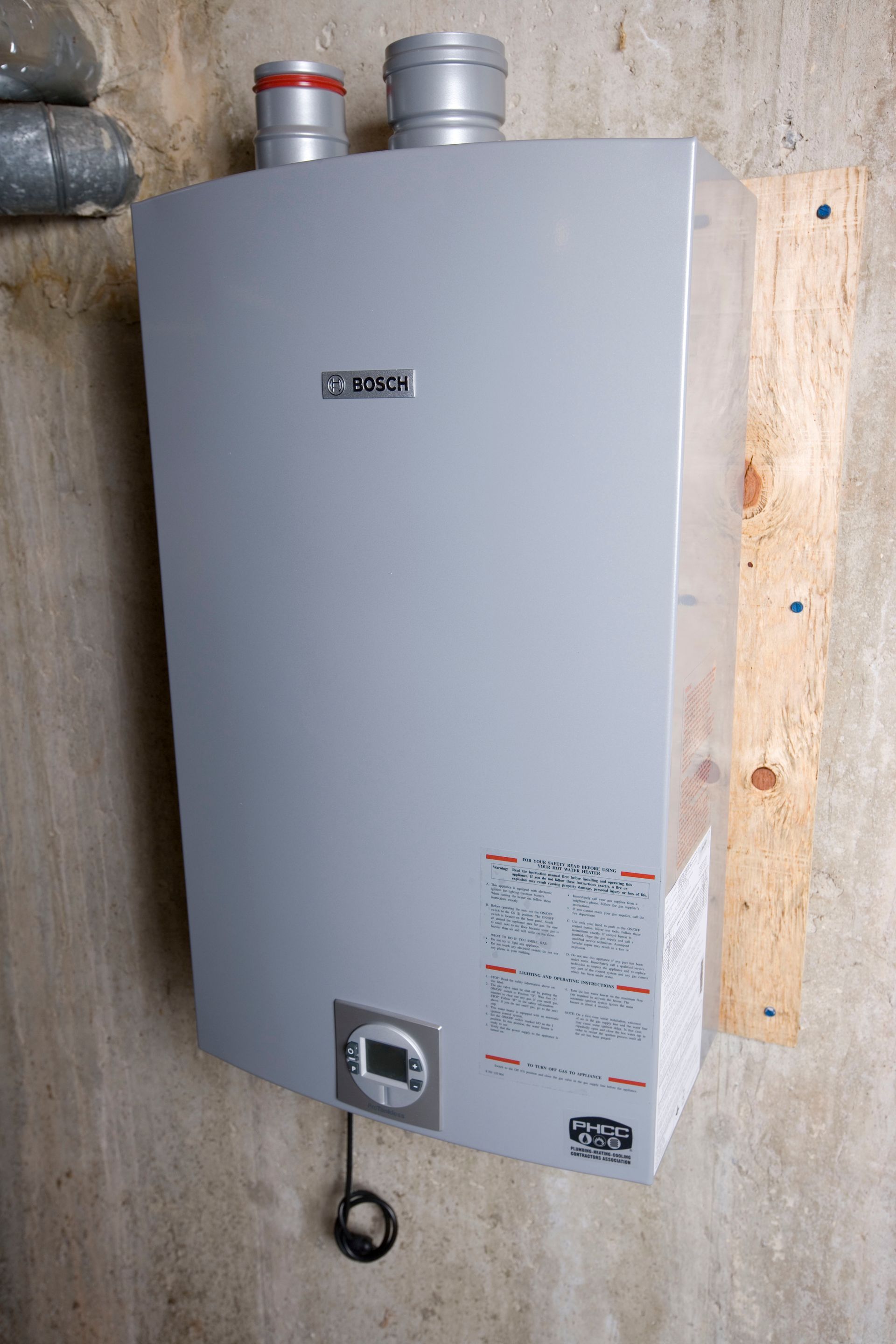
Switching to a tankless water heater provides a significant shift in how a household consumes energy on a daily basis. Unlike traditional models that constantly heat a large reservoir of water, these units only activate when a tap is turned on, utilizing high-powered burners or electric elements to heat water instantly. This "on-demand" nature eliminates the standby energy loss associated with keeping forty or fifty gallons of water hot twenty-four hours a day. Consequently, many users see a noticeable decrease in their monthly utility bills. Furthermore, the compact design allows for versatile placement, freeing up valuable floor space for storage or other appliances.
Considering the Initial Investment and Long-Term Savings
While the operational efficiency is enticing, homeowners must reconcile the higher upfront price tag of a tankless water heater compared to conventional alternatives. The unit itself is typically more expensive, and the complexity of the internal components adds to the base cost. However, it is essential to view this through the lens of product longevity and durability. While a standard tank might last a decade, a well-maintained tankless unit often functions effectively for twenty years or more. Over two decades, the energy savings combined with the longer replacement cycle frequently offset the initial premium, making it a financially savvy choice for long-term residency.
Navigating the Installation Challenges and Requirements
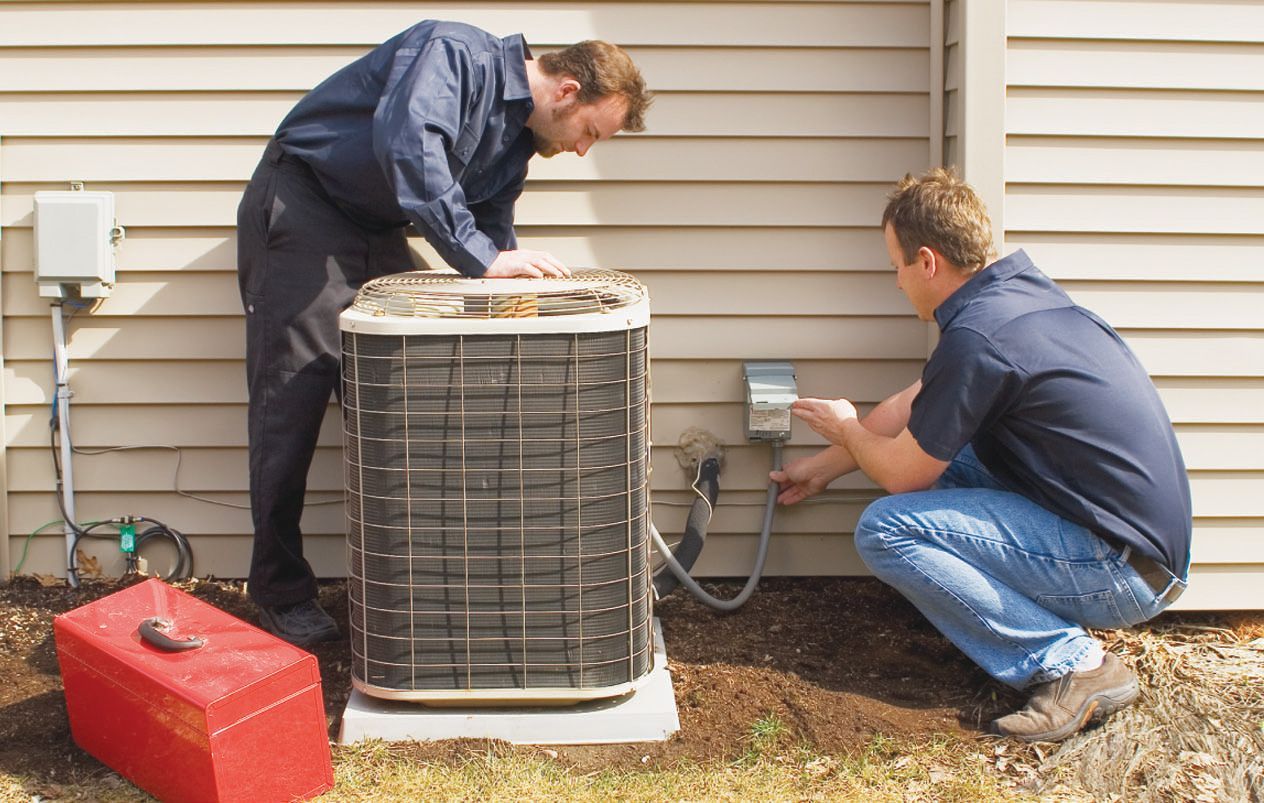
Installing a tankless water heater is rarely a simple "plug and play" endeavor, as it often necessitates significant upgrades to your home’s existing utility lines. Gas-powered models require larger diameter pipes to provide enough fuel for the high-output burners, along with specialized venting systems to handle high-temperature exhaust safely. Electric versions might demand a significant increase in your home’s electrical capacity, potentially requiring a new circuit breaker panel. These logistical hurdles mean that professional installation is a non-negotiable requirement to ensure local building codes are met, and the unit operates safely within the manufacturer’s specified parameters for your home.
Maintaining Performance through Regular Servicing
Ensuring that your system remains efficient over its lifespan involves a commitment to routine preventative care and professional oversight. Scale buildup from hard water is the primary enemy of these units, as mineral deposits can coat the heat exchanger and reduce thermal transfer efficiency. To prevent this, periodic flushing with a descaling solution is necessary to keep the internal passages clear and functioning at peak performance. According to The Spruce, water heaters should be drained and inspected at least once annually. Following this expert advice helps prevent sudden hardware failures and ensures that the internal sensors continue to provide accurate temperature modulation.
Examining the Output and Flow Rate Limitations
One common misconception is that a tankless water heater can provide an infinite volume of water to every fixture simultaneously without any pressure drop. In reality, every unit has a maximum flow rate, measured in gallons per minute, which determines how many appliances can run at once. If you have a large family where multiple showers, the dishwasher, and the washing machine often run at the same time, you may need a high-capacity unit or multiple smaller units installed in series. Understanding your peak demand is crucial so that you do not end up with lukewarm water during the busiest hours of your morning routine.
Weighing the Environmental Impact and Carbon Footprint
Reducing your household's ecological impact is often a primary motivator for those looking into green home technologies and energy-efficient upgrades. Because a tankless water heater avoids the constant cycling of energy required to maintain a standing tank of hot water, it significantly lowers greenhouse gas emissions over time. Many models are compatible with smart home technology, allowing users to monitor their usage patterns and adjust settings for even greater efficiency. By consuming less natural gas or electricity, you are contributing to a broader effort of resource conservation while enjoying the modern convenience of a system that only works when you actually need it.
Observing the Differences in Water Delivery Speed
A frequent point of discussion among new users is the "cold water sandwich" or the slight delay in receiving hot water at a distant faucet. Because the unit must ignite and heat up before the water begins to warm, there is a brief period where the water in the pipes must be purged. Some homeowners choose to install a small recirculation pump to mitigate this issue, ensuring that hot water is available almost instantly at every tap. While this adds a bit more complexity to the plumbing layout, it enhances the overall user experience and eliminates the minor annoyance of waiting for the temperature to rise.
Investigating the Impact of Water Quality on Longevity
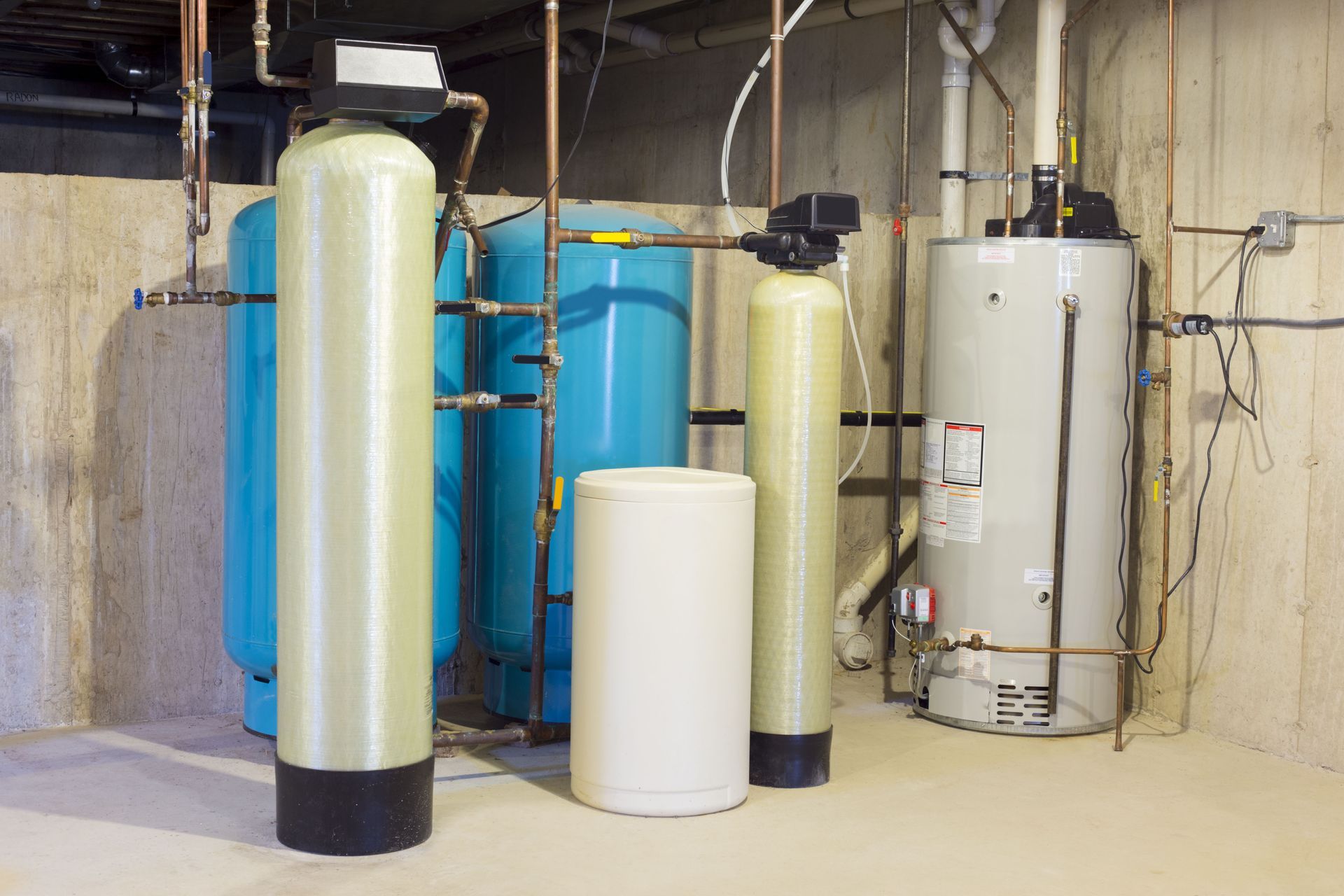
The chemical composition of your local water supply plays a surprisingly large role in the health and efficiency of your heating equipment. In regions with exceptionally hard water, the high concentration of calcium and magnesium can lead to rapid calcification within the narrow piping of the heat exchanger. If you live in such an area, installing a whole-house water softener alongside your tankless water heater is highly recommended to protect your investment. This proactive step prevents the need for more frequent descaling and ensures that the delicate internal components do not suffer from premature corrosion or blockages that could void your manufacturer's warranty.
Understanding the Importance of Climate and Inlet Temperature
The geographic location of your home significantly influences how hard your heating system has to work to reach a comfortable bathing temperature. In colder northern climates, the ground temperature of the incoming water can be quite low, requiring the unit to work much harder to bridge the gap to a standard 120-degree output. This "temperature rise" requirement means that a unit rated for five gallons per minute in Florida might only produce three gallons per minute in Maine during the winter. Always consult with a local professional who understands regional climate data to ensure the model you choose is powerful enough.
Upgrading to premium home systems can significantly enhance the marketability of your property should you decide to sell in the future. Potential buyers are increasingly looking for energy-efficient features and modern amenities that promise lower utility costs and reduced maintenance headaches. A professionally installed on-demand system serves as a highlight in real estate listings, signaling that the home has been well-maintained and updated with contemporary technology. While it might not provide a dollar-for-dollar return on investment immediately, the added "curb appeal" of a high-tech utility room can be the deciding factor for a buyer who is choosing between two similar properties in a highly competitive market.
Deciding whether to install an on-demand system requires a balanced look at your household's unique hot water needs and your long-term financial goals. While the upfront costs and installation complexities are higher than traditional tanks, the benefits of energy efficiency, space savings, and endless hot water often justify the investment. By prioritizing regular maintenance and choosing a unit with the appropriate flow rate for your climate, you can enjoy decades of reliable service. Ultimately, the transition to a modern heating solution reflects a commitment to both personal comfort and responsible energy consumption, making it a worthy consideration for many contemporary homeowners. Are you considering tankless water heater installation for your home in the Treasure Valley area in Idaho? Look no further than the team at Bauer Heating and Cooling! Call today for more service information.