By Micah Duffy
June 25, 2026
Maintaining a comfortable indoor environment depends heavily on the performance of a building’s cooling system. Whether for a home or commercial property, reliable climate control contributes to comfort, productivity, and overall satisfaction. While ongoing maintenance plays an important role in system longevity, the installation process itself has a significant influence on how effectively equipment performs over time.
Many property owners focus primarily on the equipment they select, but proper planning and installation practices are equally important. Quality workmanship, attention to detail, and professional expertise help ensure that systems operate efficiently and consistently from the beginning. This foundation can affect energy use, comfort levels, repair frequency, and long-term reliability.
Understanding how AC installations contribute to system performance can help property owners make informed decisions when planning upgrades or replacing aging equipment.
Ensure Proper System Sizing
One of the most important aspects of successful AC installations is selecting equipment that matches the needs of the property. Every structure has unique characteristics that influence cooling requirements, including layout, insulation levels, window placement, occupancy patterns, and overall building design.
When equipment is too large, it may cool spaces quickly but cycle on and off frequently. This can create uneven temperatures and unnecessary strain on system components. On the other hand, equipment that is too small may struggle to maintain comfort during periods of high demand.
Professional installation teams evaluate these factors carefully before recommending equipment. Proper sizing helps create balanced performance while supporting efficient operation throughout the life of the system. By matching capacity to the specific needs of the building, owners can enjoy more consistent comfort and fewer performance concerns.
Optimize Airflow Throughout the Property
Airflow plays a critical role in cooling system effectiveness. Even high-quality equipment can underperform when air distribution is restricted or poorly designed. During AC installations, technicians assess how air moves throughout the property and identify opportunities to improve circulation.
Proper duct design, vent placement, and airflow balancing contribute to more uniform temperatures from room to room. When conditioned air reaches all intended areas effectively, occupants experience greater comfort and the system operates more efficiently.
Poor airflow can cause equipment to work harder than necessary, potentially increasing wear on important components. By addressing airflow considerations during installation, professionals help create conditions that support long-term performance and reliability.
Well-balanced airflow also helps reduce hot and cold spots that can negatively affect occupant comfort. This attention to detail contributes to a more enjoyable indoor environment while supporting the overall health of the cooling system.
Improve Energy Efficiency From the Start
Energy efficiency is often a primary concern for property owners considering new cooling equipment. While equipment ratings provide valuable information, installation quality significantly influences actual performance after the system becomes operational.
Professional AC installations focus on creating an integrated system where all components function together effectively. Proper refrigerant levels, secure connections, accurate calibration, and careful testing help ensure that equipment performs according to manufacturer specifications.
When systems operate efficiently, they may require less effort to maintain desired temperatures. This can reduce unnecessary strain on motors, compressors, and other important components. Over time, efficient operation contributes to improved reliability and helps preserve overall system performance.
According to ConsumerAffairs, approximately 3 million climate control systems are replaced across the United States annually, highlighting the ongoing demand for installation and repair services and the importance of ensuring new systems are installed correctly from the beginning.
Efficiency improvements can also support environmental goals by reducing energy consumption while maintaining comfort throughout the property.
Reduce Wear on Critical Components
Cooling systems rely on many interconnected parts working together smoothly. Compressors, fans, motors, electrical connections, and control systems all contribute to overall operation. Improper installation can place unnecessary stress on these components and potentially shorten their service life.
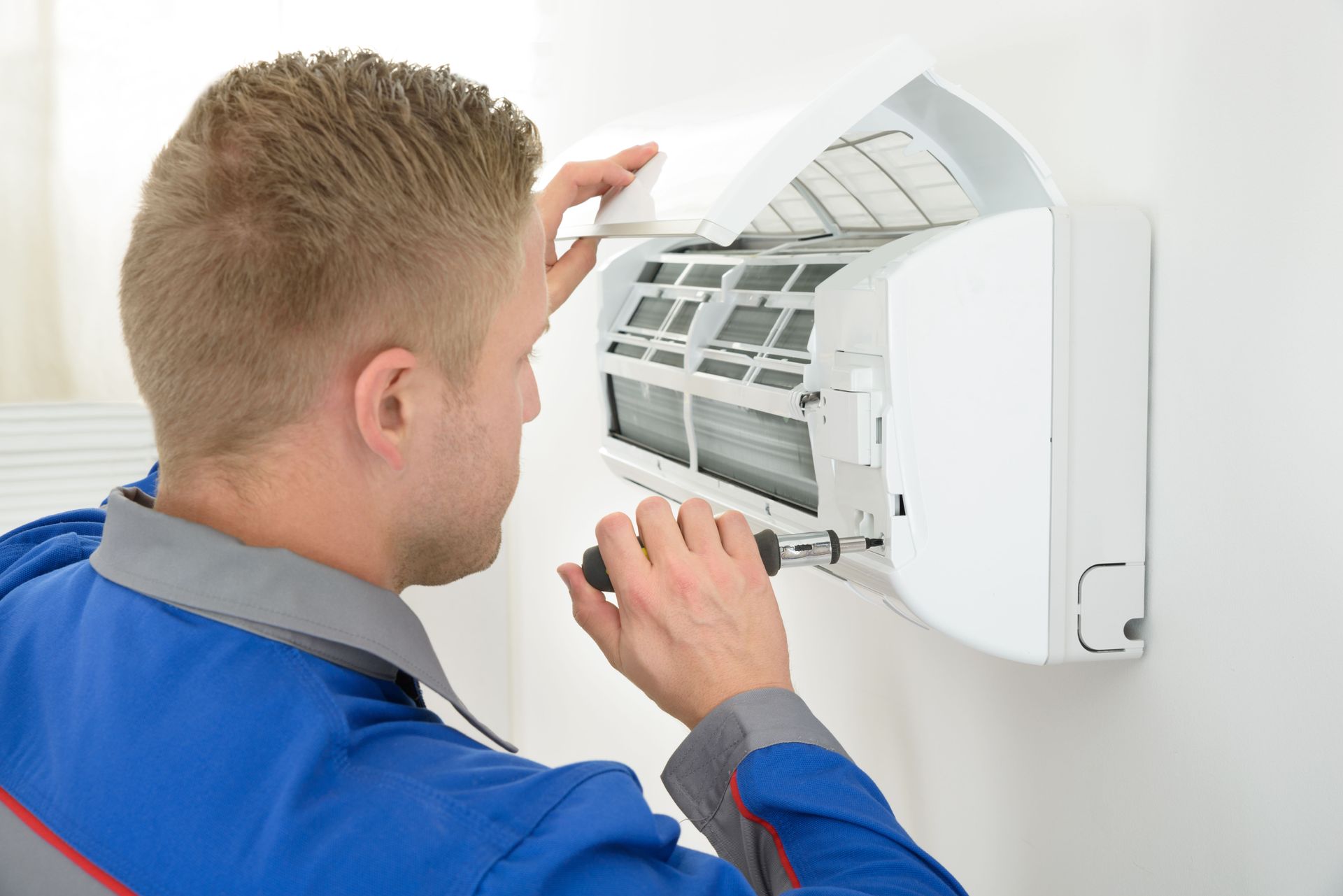
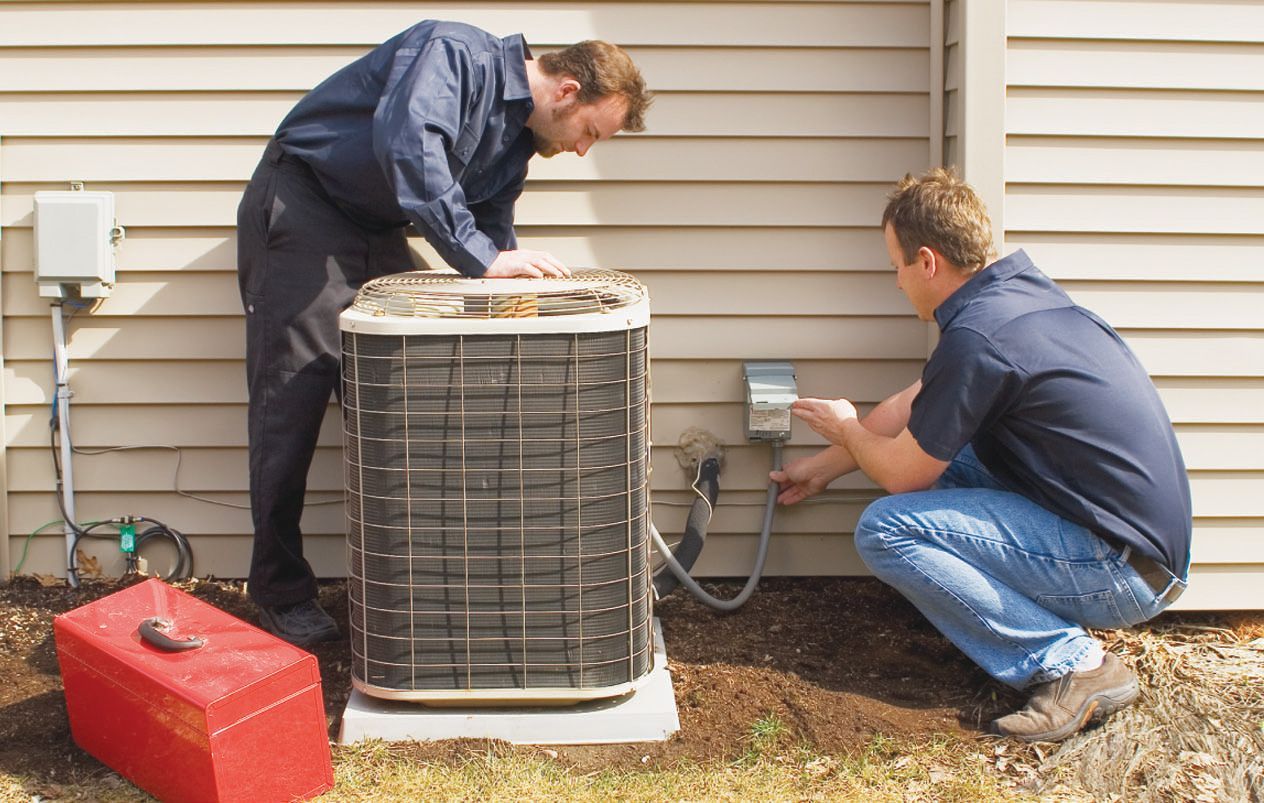
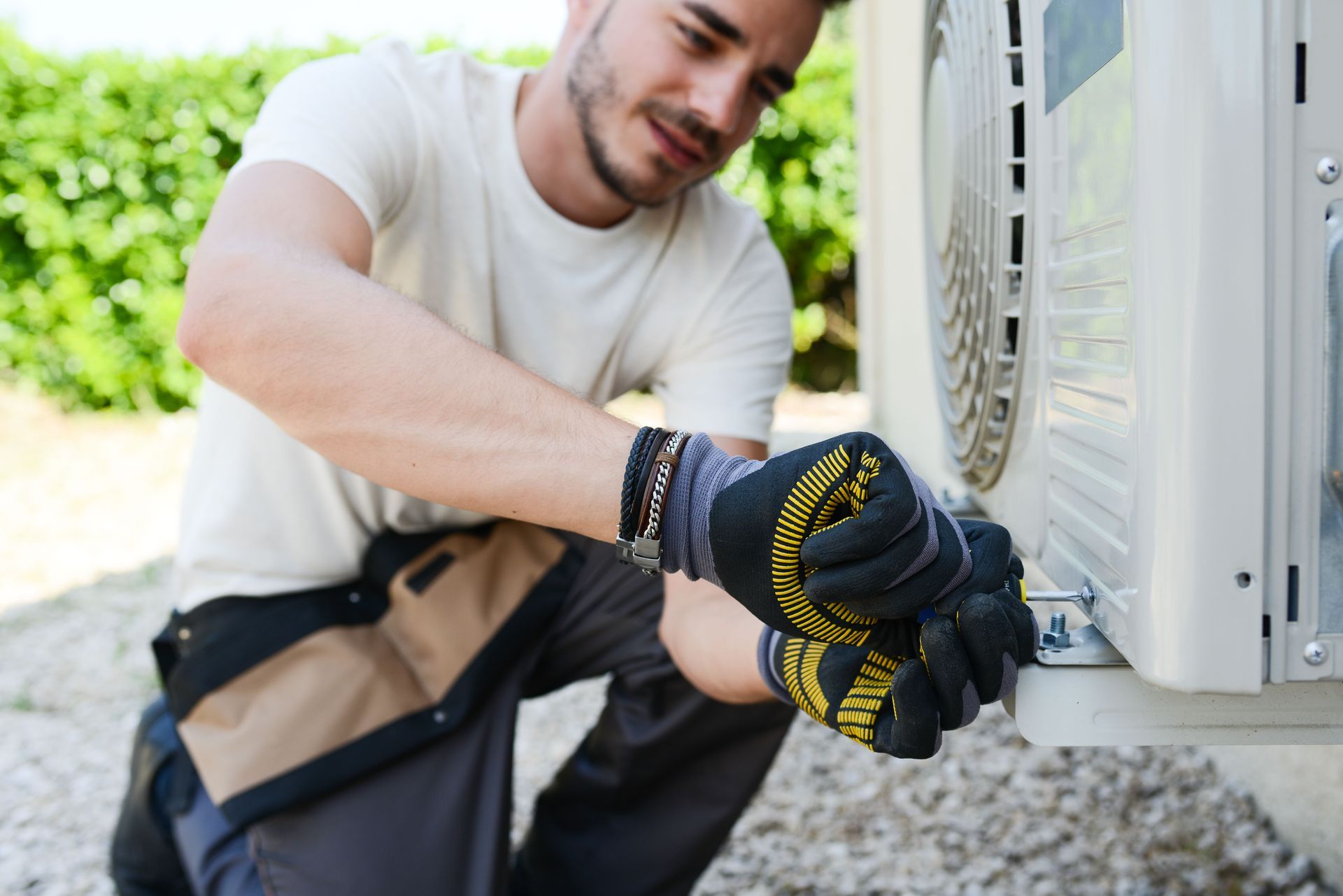
Carefully executed AC installations help establish the proper operating conditions needed for reliable performance. Technicians verify that components are connected correctly, settings are calibrated appropriately, and equipment functions as intended before the project is completed.
When systems start their operational life under optimal conditions, major components are often better positioned to perform consistently. Reduced stress can contribute to fewer unexpected interruptions and help maintain dependable cooling throughout changing seasons.
Professional attention during installation also allows technicians to identify potential concerns before they develop into larger issues. Addressing these factors early supports long-term system health and performance.
Support Consistent Indoor Comfort
Comfort is one of the primary reasons people invest in cooling systems. Temperature consistency, humidity management, and reliable operation all contribute to a pleasant indoor environment.
High-quality AC installations help create a foundation for stable performance by ensuring that equipment operates as designed. Proper setup supports accurate temperature control and effective air distribution throughout the building.
When cooling systems function efficiently, occupants are less likely to experience uncomfortable fluctuations or uneven cooling. Consistent operation contributes to greater satisfaction while helping maintain comfortable indoor conditions regardless of outdoor weather patterns.
Professional installation also supports the integration of thermostats and control systems that enhance comfort management. Modern controls can help optimize operation while allowing occupants to maintain preferred settings more effectively.
The result is a cooling system that works harmoniously with the needs of the property and its occupants.
Enhance Long-Term System Reliability
Reliability is a major consideration for anyone investing in new cooling equipment. Frequent breakdowns can disrupt comfort, create inconvenience, and increase repair expenses over time. Installation quality plays a significant role in determining how reliably a system performs throughout its lifespan.
Properly completed AC installations establish a strong foundation for future operation. Attention to wiring, drainage, airflow, refrigerant management, and equipment placement helps reduce the likelihood of avoidable performance issues.
Professional installers follow established procedures designed to support safe and dependable operation. Their expertise allows them to anticipate challenges and implement solutions that promote system stability.
Reliable performance often results from many small details being addressed correctly during installation. While these details may not be immediately visible, they can have a meaningful impact on long-term outcomes. Investing in quality installation services helps protect the value of the cooling system and supports dependable performance for years to come.
Protect Overall Equipment Investment
A cooling system represents a significant investment in property comfort and functionality. Protecting that investment requires more than simply purchasing quality equipment. The installation process influences how effectively that equipment delivers value over time.
Professional AC installations help maximize the benefits of modern cooling technology by ensuring that equipment operates under appropriate conditions. Proper installation supports efficiency, reliability, comfort, and long-term performance.
When installation is handled correctly, property owners can gain greater confidence in their system’s ability to meet future demands. This confidence comes from knowing that the equipment was installed according to industry standards and manufacturer recommendations.
Protecting the investment also means reducing the likelihood of avoidable complications that can affect performance. A carefully installed system is better positioned to provide dependable cooling while supporting long-term ownership goals.
In many cases, the quality of the installation can be just as important as the quality of the equipment itself. Together, these factors create a strong foundation for years of dependable service.
As cooling systems continue to play a vital role in maintaining indoor comfort, proper installation remains one of the most important factors influencing long-term performance. From system sizing and airflow optimization to energy efficiency and reliability, every aspect of the installation process contributes to future results. By prioritizing professional expertise and careful planning, property owners can support consistent comfort, dependable operation, and lasting value from their cooling equipment.
If you’re planning a cooling system upgrade and want dependable results, contact Bauer Heating and Cooling today. We can help ensure our installation process supports the efficiency, reliability, and long-term performance your property deserves.