By Micah Duffy
November 10, 2026
Every household relies heavily on a dependable supply of hot water for morning showers, laundry cycles, dishwashing, and daily sanitation. For decades, conventional storage tank water heaters stood as the standard fixture in residential mechanical rooms. These large metal cylinders maintain dozens of gallons of heated water around the clock, continuously cycling on and off regardless of actual household consumption. In recent years, however, a noticeable shift has taken place across modern neighborhoods. More homeowners are choosing to transition away from bulky storage containers in favor of compact, on-demand units. This widespread transition reflects a growing interest in long-term domestic efficiency, space optimization, and modern utility management. As families evaluate comprehensive mechanical upgrades—often scheduling water heater enhancements alongside routine heating updates like furnace installation—tankless technology continues to earn recognition as a forward-thinking investment in overall home comfort.
Exploring the Functional Advantages of Modern Water Heating
Modernizing residential utilities involves looking closely at how everyday systems deliver resources to fixtures throughout the structure. On-demand water heating operates on a completely different mechanical philosophy than older storage units, generating notable operational advantages for busy households.
Delivering an Endless Flow of On-Demand Hot Water
The most immediate difference residents observe after switching to an on-demand unit is the steady availability of hot water. Conventional storage tanks hold a finite volume of water, typically thirty to fifty gallons. When multiple family members shower in sequence or run appliances simultaneously, the heated supply quickly depletes, requiring an extended waiting period for recovery. Tankless models bypass this limitation by heating water instantaneously as it travels through high-powered heating elements or gas burners. The burner activates only when a hot water tap opens, producing a continuous stream for as long as needed. This on-demand capability ensures that running the dishwasher will not compromise the temperature of an ongoing shower down the hall.
Maximizing Usable Storage Space in Utility Areas
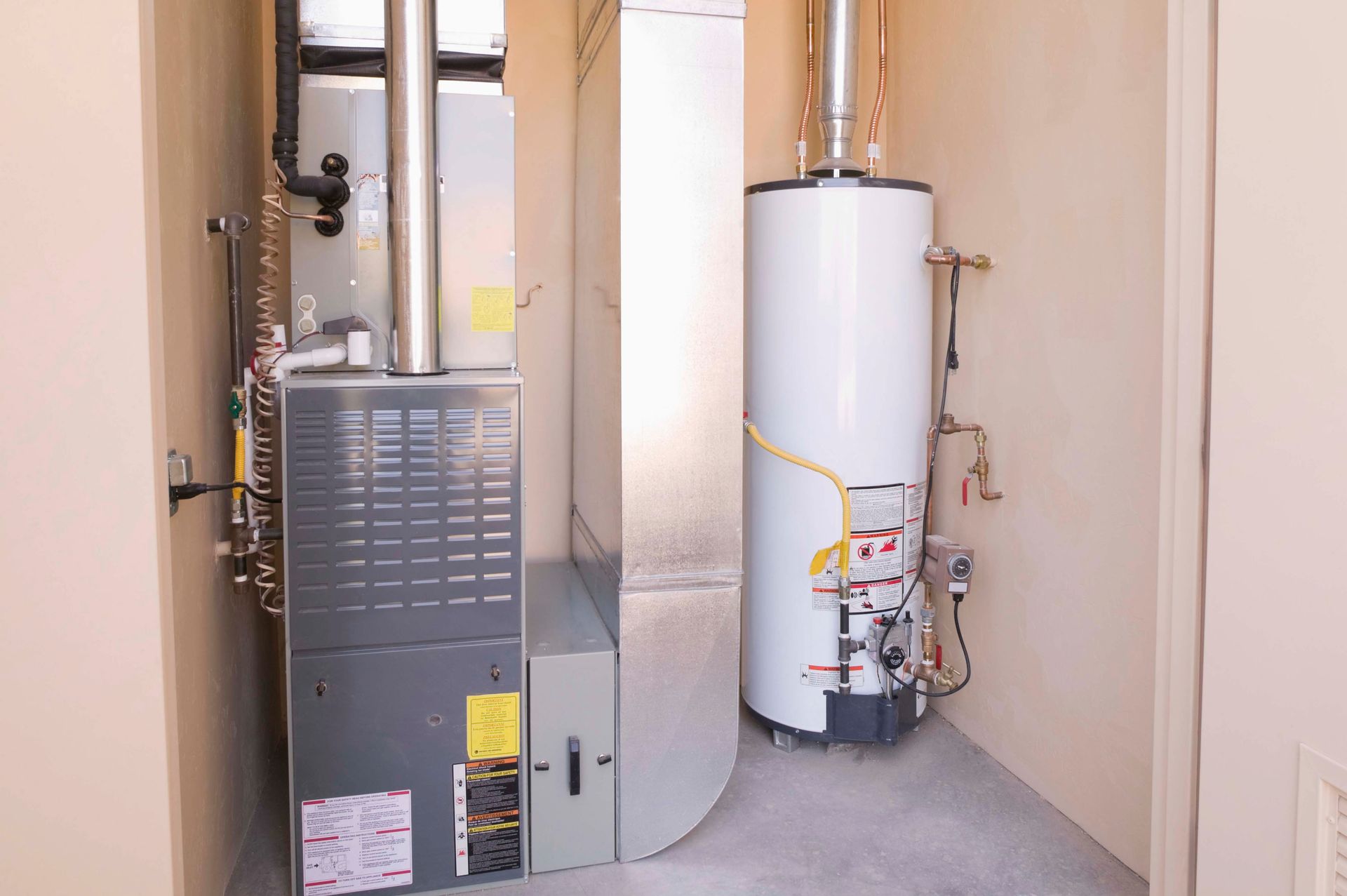
Traditional storage units require substantial square footage, often occupying a prominent footprint in basements, utility closets, or attached garages. In smaller floor plans or modern architectural builds, dedicating several square feet solely to a bulky water reservoir can restrict functional storage. On-demand units, by contrast, mount directly to vertical wall surfaces. Their compact, suitcase-like dimensions free up valuable floor area for shelving, laundry equipment, or other critical infrastructure. Homeowners who arrange a simultaneous heating upgrade or furnace installation often find that replacing both older heating systems and traditional water heaters at the same time transforms cluttered mechanical rooms into organized, easily accessible utility spaces.
Evaluating Energy Conservation and Environmental Stewardship
Household energy consumption has become a central focus for property owners seeking to lower monthly utility burdens and reduce their environmental impact. Water heating typically represents the second largest utility expense in a standard residence, right behind whole-home space heating.
Eliminating Standby Heat Loss in Daily Operation
The primary mechanical inefficiency of a conventional water tank is standby heat loss. Because a conventional tank holds water continuously, heat naturally dissipates through the cylinder walls into the surrounding unheated space. The heating element must regularly ignite to keep that water at the target temperature, even when the house is empty during work hours or vacations. On-demand equipment completely eliminates this standby waste. Energy is consumed solely during active hot water demand, translating into meaningful utility efficiency gains over the course of an entire year.
Supporting Whole-Home Efficiency Goals
Energy-conscious residents rarely evaluate home systems in isolation. Instead, they view water heating, ventilation, and interior thermal regulation as interconnected components of an efficient living environment. Aligning a water heater replacement with a seasonal heating project or furnace installation allows property owners to optimize gas line sizing, venting pathways, and electrical breaker panels simultaneously. By coordinating these mechanical updates, a home operates with synchronized efficiency, decreasing overall carbon output and establishing a cleaner baseline for residential energy utilization.
Examining Durability and System Longevity
When selecting major residential appliances, equipment lifespan plays a fundamental role in evaluating the true return on investment. Mechanical equipment that offers reliable performance across multiple decades delivers superior value to a homeowner.
Extending Service Life Across Decades
Traditional storage tanks are prone to progressive internal corrosion caused by continuous contact with standing water, dissolved minerals, and heat. Over time, internal rust and sediment accumulation weaken the tank walls, eventually causing leaks that necessitate a complete replacement. On-demand systems do not hold standing water, which significantly curtails corrosion and structural deterioration. According to the U.S. Department of Energy, on-demand water units can operate effectively for more than two decades, whereas conventional reservoir systems typically exhaust their useful service life after 10 to 15 years. This doubled operational lifespan means fewer replacements over the course of homeownership.
Reducing Risks of Catastrophic Structural Flooding
Beyond product lifespan, conventional tanks present a distinct physical hazard to indoor living areas. When an aging storage tank ruptures, thirty to eighty gallons of water can flood the surrounding floor within minutes, leading to damaged baseboards, drywall degradation, and mold growth. Because on-demand water heaters maintain no internal reservoir, the danger of sudden large-volume water damage is substantially minimized. Homeowners gain peace of mind knowing their mechanical room does not house a potential indoor flood hazard, especially when away on extended travel.
Understanding Installation Requirements and Operational Planning
Switching from a traditional reservoir to an on-demand setup involves thoughtful structural planning. Because these systems heat water instantly, their operational dynamics require proper mechanical accommodation.
Upgrading Ventilation and Fuel Supply Lines
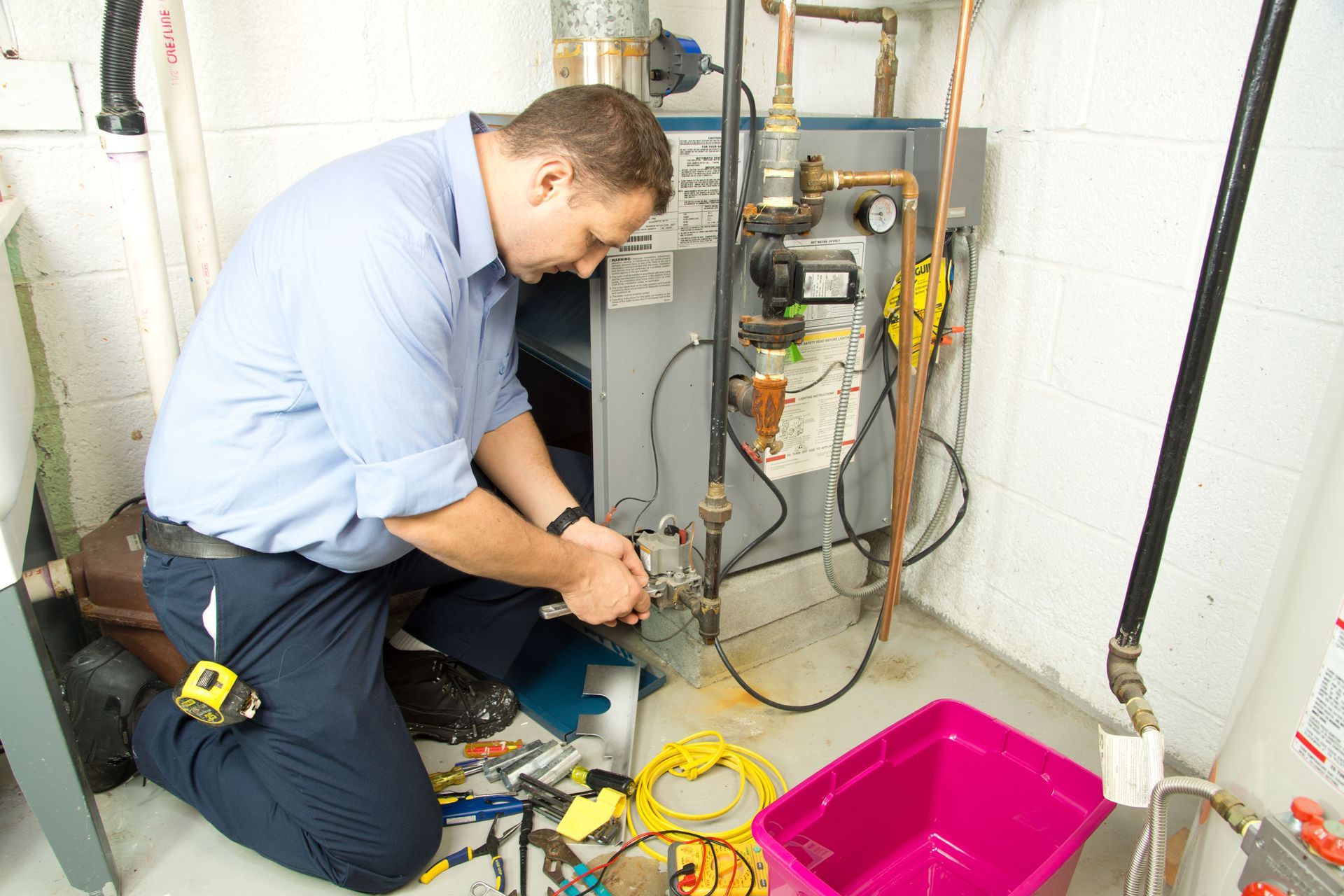
Delivering immediate thermal energy requires robust fuel delivery and dedicated exhaust systems. Gas-powered on-demand units often demand larger gas supply lines than older tank styles to support the higher instantaneous BTU output during peak flow. Additionally, modern high-efficiency units produce cooler exhaust gases that require specialized PVC or stainless steel direct venting rather than conventional metal chimneys. When homeowners work with mechanical technicians during a broader HVAC overhaul or furnace installation, assessing fuel supplies and shared venting routes becomes a unified process. Addressing these infrastructure considerations early ensures reliable performance and code-compliant exhaust routing.
Managing Household Flow Rates and Water Quality
To ensure total satisfaction with an on-demand unit, property owners must consider household flow rate needs, measured in gallons per minute. Selecting a unit sized to accommodate multiple simultaneous fixtures prevents sudden temperature fluctuations when several taps open at once. Furthermore, homes located in regions with elevated mineral content in municipal or well water should incorporate regular maintenance flushing. Dissolved calcium and magnesium can settle on high-heat heat exchangers over time. Routine descaling preserves thermal transfer efficiency, maintaining the system in peak operating condition year after year alongside standard heating checks like annual furnace installation or maintenance visits.
Modernizing Home Comfort for the Future
The growing adoption of on-demand water heating represents an undeniable evolution in residential engineering. By removing the physical footprint of large storage tanks, eliminating standby energy consumption, and providing an uninterrupted supply of hot water, these innovative systems solve many of the everyday frustrations associated with older plumbing designs. Their extended operational lifespan further solidifies their position as a prudent upgrade for any property owner interested in sustainable, long-term living. When paired thoughtfully with complementary mechanical improvements—such as a modern
furnace installation—homeowners can establish a quiet, efficient, and exceptionally comfortable domestic environment.
Investing in high-performance appliances elevates daily convenience while safeguarding residential assets against future operational demands. Whether planning a complete mechanical room renovation or replacing an aging appliance before it fails, selecting modern equipment designed for longevity ensures lasting household satisfaction. To discover how an on-demand system can improve household efficiency and comfort, contact the team at Bauer Heating and Cooling to discuss your home mechanical needs.